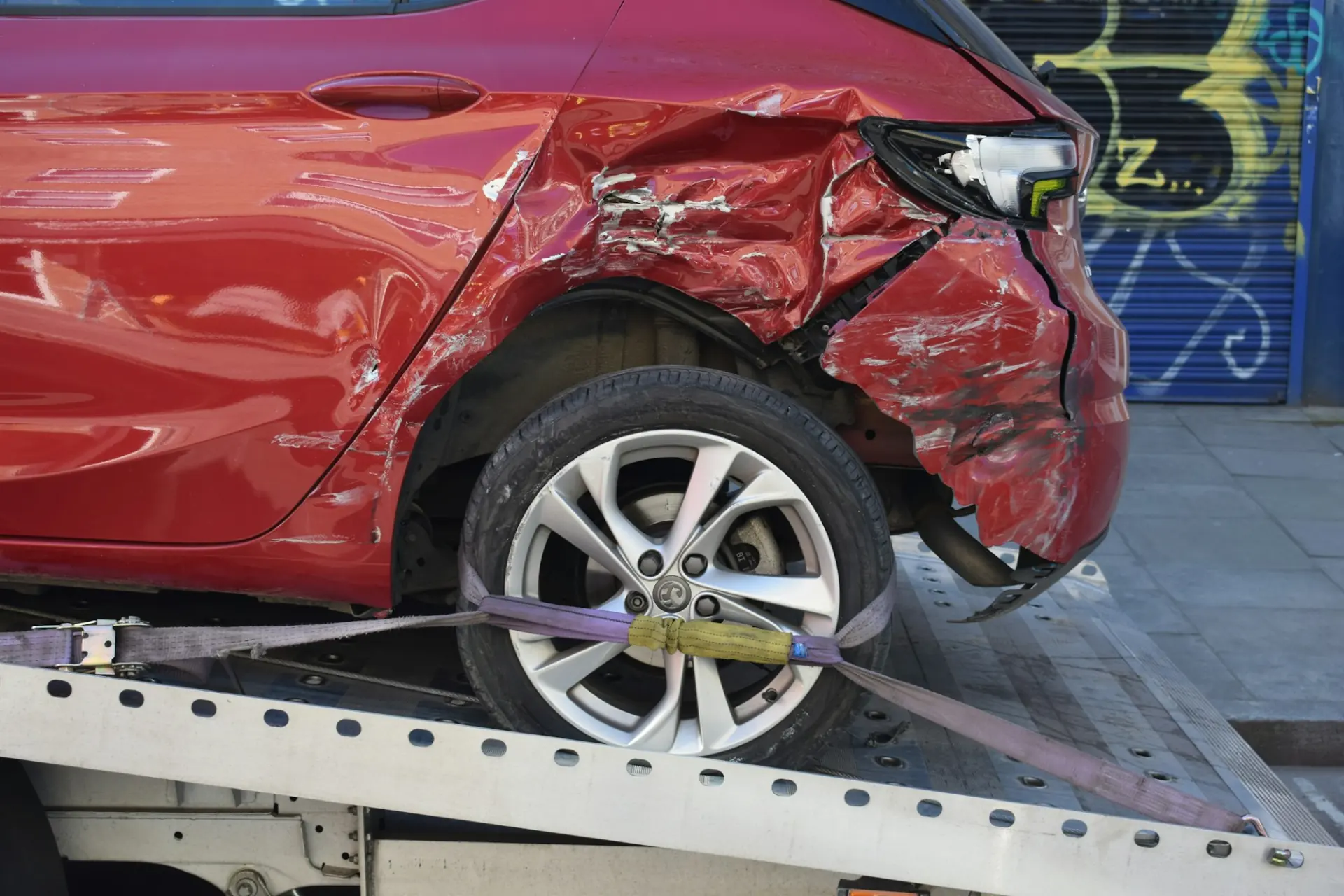
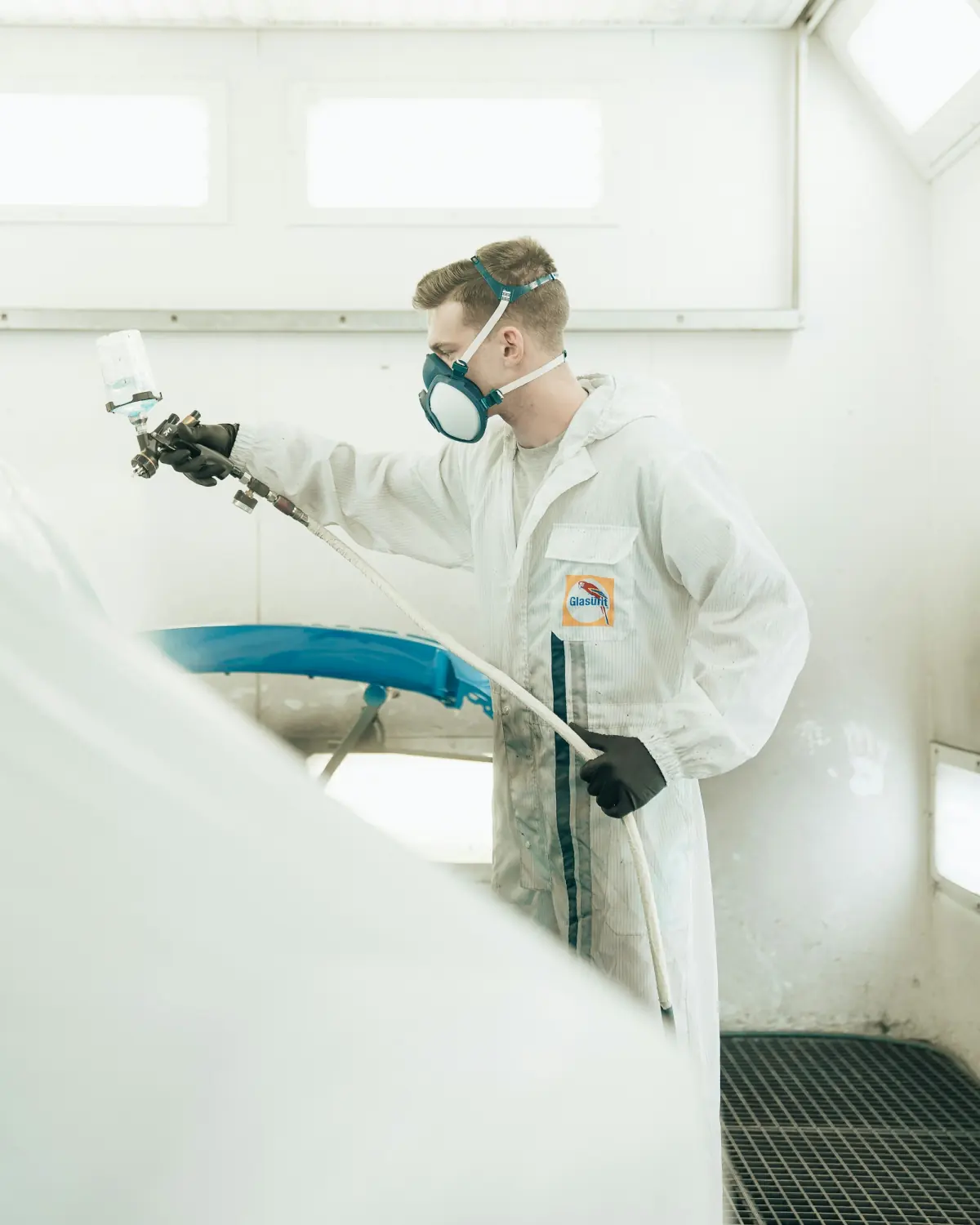
What Cat S and Cat N mean
When an insurer decides not to repair a damaged car, it puts the car in one of four categories under the ABI's salvage code. Two of them mean the car can be repaired and go back on the road:
Cat S: repairable structural
Structure damaged
Damage to any part of the structural frame or chassis. Repairable, and shown on the log book.
Cat N: repairable non-structural
Structure intact
No damage to the structural frame or chassis. Safety-critical parts may still need replacing.
Neither category says how badly the car was damaged in money terms. A Cat N car can have had a lot of work; a Cat S car may have had one structural part replaced. What the category tells you is whether the structure was touched.
Cat S vs Cat N: structural or not
The ABI code makes a car Cat S if any structural element needs realigning to its original dimensions, or replacing. Cosmetic repair to a structural part doesn't count. It lists the parts on each side of the line:
| Structural (Cat S if damaged) | Non-structural (Cat N) |
|---|---|
| Bulkhead | Bumpers and their reinforcements |
| Header and cant rails | Bonnet |
| Inner wings and wheel housings | Front wings |
| Inner A and B pillars | Slam panel |
| Sills | Doors |
| Chassis legs | Rear quarter panel |
| Front and rear one-piece castings (mega or giga castings) | Roof panel |
| Rear back panel | Boot floor and tailgate |
A selection from sections 11 and 12 of the code (28 May 2025). Assessors must check for damage behind outer panels and consult the manufacturer's repair information.
The four write-off categories
Categories S and N replaced the old C and D in the 2017 version of the code. The current version is dated 28 May 2025, and the criteria are reviewed every two years.
| Category | What it means | Log book (V5C) |
|---|---|---|
| A: Scrap | Not suitable for repair. Crushed after depollution and removal of recyclable parts | Not reissued |
| B: Break | The structure can't be repaired, but suitable parts can be reused. The body shell or chassis is crushed | Not reissued |
| S: Repairable structural | Repairable, with damage to the structural frame or chassis | Reissued with a Category S marker |
| N: Repairable non-structural | Repairable, with no damage to the structural frame or chassis | Reissued without a marker |
From the ABI code, sections 7 and 10.
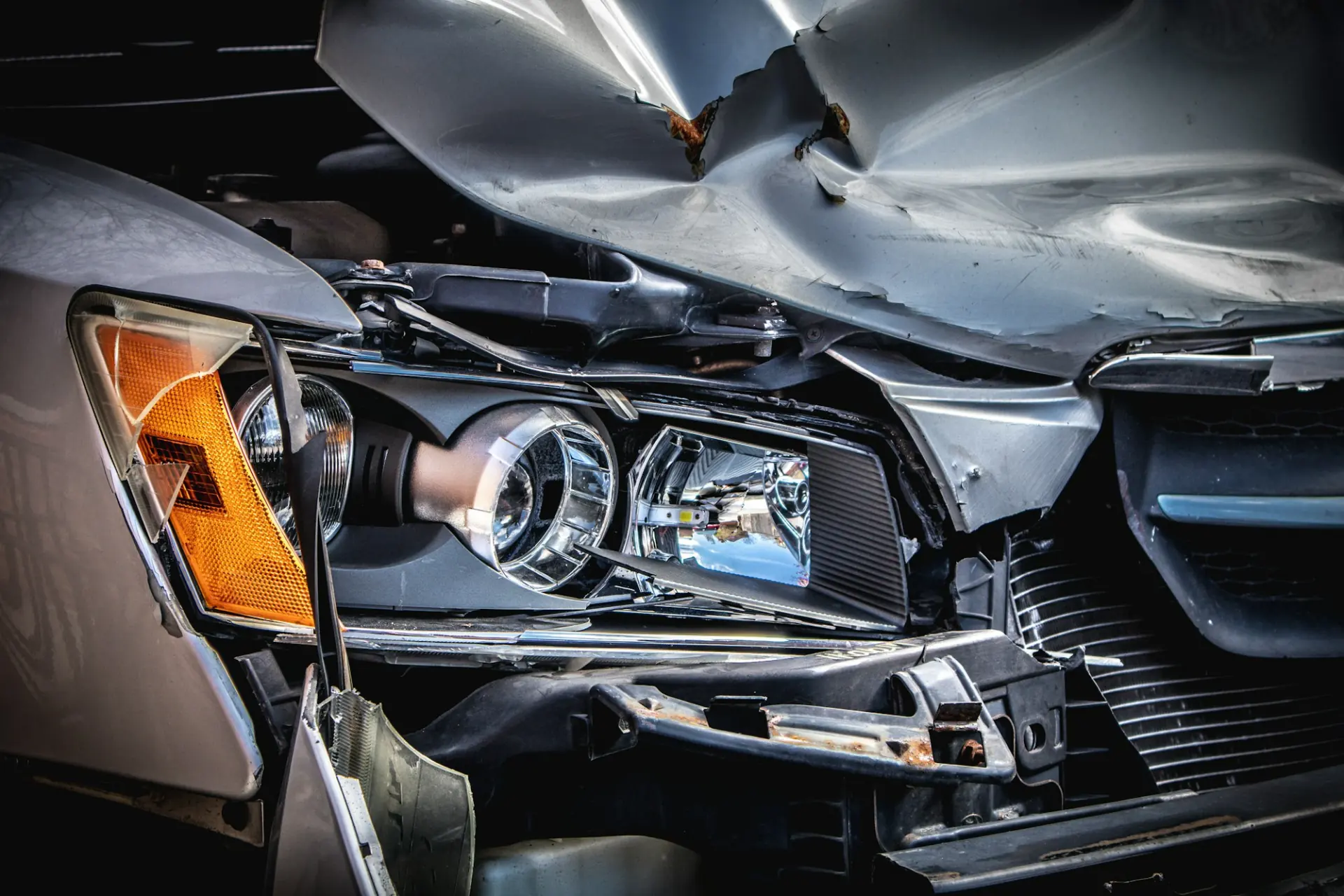
Who decides, and when a car is written off
The insurer decides whether a car is written off. There's no legal threshold, but the Financial Ombudsman says it's industry practice to write a car off when repairs would cost more than 60% to 70% of its pre-accident value.
The category itself is set by an Appropriately Qualified Person (AQP): someone with a technical training record and a current competency-based assessment in salvage categorisation from the Institute of Automotive Engineer Assessors or an equivalent body. The code also tells assessors to:
- Always use the manufacturer's or recognised researched repair methods when judging whether a car can be repaired safely.
- Not class a car as repairable if no original structural parts are available. Second-hand structural parts shouldn't be relied on; the car should be Cat B instead.
- Never allow airbags, seat belts, pretensioners, belt stalks or buckles to be resold or reused.
Every categorised car goes on MIAFTR, the Motor Insurance Anti-Fraud and Theft Register, soon after inspection. That entry is how the insurer tells DVLA, and it feeds the vehicle history checks buyers run.
Electric cars, flood and fire
- Electric and hybrid cars (systems over 60 volts). If the high-voltage battery is part of the car's structure and is damaged, the car must be Cat S. Some manufacturers treat their batteries as unrepairable, and repairs to others need an expert such as a qualified high-voltage technician.
- Flood. Cat A if no parts are usable, Cat B if parts can be reused (including water in the cabin deep enough to compromise electrical or safety parts), and Cat N for other flood-damaged cars.
- Fire. Heat or fire damage to the structure makes a repairable car Cat S; otherwise it's Cat N.
EVs are where write-off decisions are changing fastest. Thatcham's 2023 report found claims on battery electric cars cost about 25.5% more than petrol or diesel equivalents, repairs took about 14% longer, and a replacement battery cost roughly £14,200 to £29,500, more than the used value of the car after only a year. In March 2026 Thatcham published an EV blueprint asking manufacturers for batteries that can be repaired without removing the pack, to stop repairable EVs being written off for the price of a battery.
The picture across all cars is different: cap hpi found 0.9% of EVs under five years old had been written off, against 1.89% of petrol and diesel cars. The two don't conflict: cap hpi counts every car on the road, while Thatcham looked at what happens once the battery is damaged.
What DVLA needs when a Cat S or Cat N car is repaired
Gov.uk sets out what the owner does when their car is written off:
- Send the log book (V5C) to the insurer, keeping the yellow slip, and tell DVLA. Owners can be fined £1,000 if they don't.
- To keep a Cat S or Cat N car, the insurer pays out and sells it back to the owner.
- For Cat S, the owner sends the whole log book to the insurer and applies for a free duplicate on form V62. DVLA records the category on it.
- For Cat N, the owner can keep the log book.
How many cars are written off
There's no official UK write-off rate; neither the ABI nor Thatcham publishes one. The cost pressure behind write-offs is clear, though:
Motor claims paid, 2024
£11.7 billion
A record, across 2.4 million claims (ABI).
Vehicle repair costs, 2024
£7.7 billion
Up £1.5 billion on 2023 (ABI).
Repair costs, 2019 to 2024
Up 50%
The average cost of a collision repair (Thatcham).
One claims management firm, Auto Claims Assist, published its own figures from 31,299 non-fault claims: 63.1% ended in a total loss in 2024 and 66.5% in the first half of 2025. That's one firm's non-fault claims in a sponsored article, not an industry rate, but it shows how often a damaged car never reaches a bodyshop.
How a write-off history affects value
In its 2024 review of how insurers value cars, the FCA looked at 12 insurers covering about 70% of the market. Most knocked 20% off the settlement if the car had been a total loss before, in any category, without looking at the circumstances. The FCA said a Cat S history probably affects a car's value for good, and a Cat N history less so. Anyone buying a repaired Cat S or Cat N car is likely to meet that deduction if they ever claim, which is worth saying when you sell one.
Repairing a Cat S or Cat N car for sale
Bodyshops and traders repair Cat S and Cat N cars bought at salvage auctions. If you sell to consumers, the Digital Markets, Competition and Consumers Act 2024 applies. Its rules on unfair commercial practices came into force on 6 April 2025, and under section 227, leaving out information the average consumer needs to make an informed decision is a misleading omission. A car's write-off category is that kind of information.
The ABI code is a rule for categorising salvage, not a law on how a private repair must be done. It's still a sound guide: repair to the manufacturer's method, don't rely on second-hand structural parts, never reuse airbags or seat belt parts, and keep photos of the repair stages to show a buyer. Our guide to repair methods and ADAS calibration covers the methods and the calibration records.
What write-offs mean for your bodyshop
Insurers have tools to spot likely total losses early. Audatex's estimating platform includes cap hpi valuations to help spot them, and its triage tools flag probable write-offs from the owner's photos (our guide to Audatex and CAPS explains how). When a car does reach you:
- On an obvious total loss, don't spend hours on a full estimate. Allianz, for example, asks for photos and a call to its area engineers instead; borderline cases may still need a costed assessment.
- Check whether the insurer's authorisation covers storage. Allianz's authorisation note sets out authority for storage or recovery the car arrived with.
- Keep damaged electric and hybrid cars, and any batteries removed from them, in a controlled, labelled area. Thatcham found a site that holds 100 petrol or diesel cars might safely hold only two damaged EVs.
- Expect the insurer's salvage agent to collect from your site. Salvage agents must record the identity of buyers and sellers and show the category on their paperwork.
- On cars close to the line, ask whether the manufacturer has a total loss avoidance scheme. Jaguar runs one, only through its authorised bodyshops.
We found no UK rule on what a bodyshop can charge for storing a write-off, or how quickly it must be collected. Agree storage terms in writing before the car sits in your yard; our guide to getting paid on repairs covers storage charges and your lien.
Free toolVehicle check-in sheetA free printable A4 sheet to mark damage, mileage and fuel when a car arrives, with the customer's signature.GuideGetting paid on a repairCollecting the excess, VAT when the insurer pays net, your lien, storage charges and uncollected cars.