How non-fault claims work
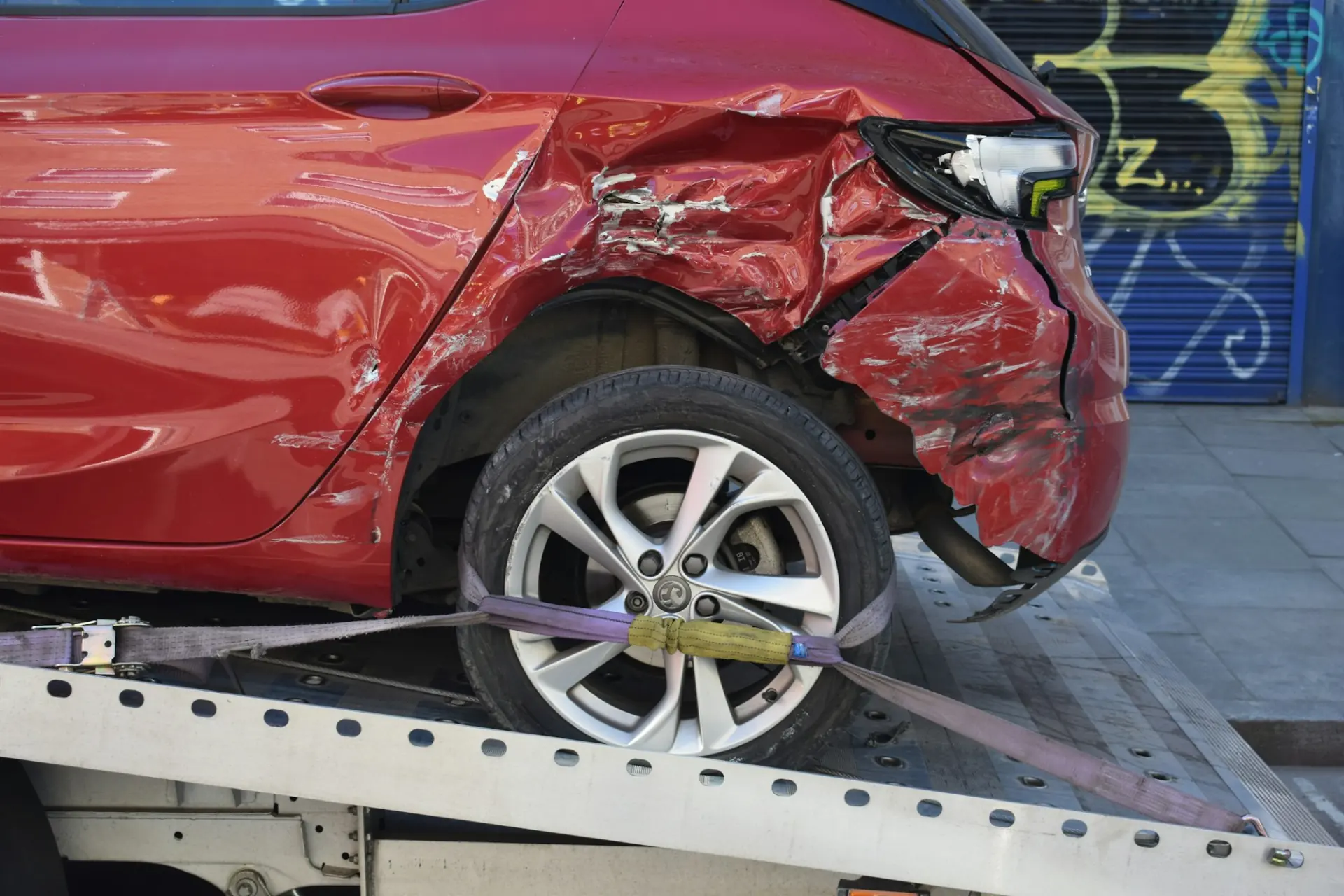
A driver who wasn't at fault is entitled to have their car repaired and, if they need one, a like-for-like replacement car while it's off the road. The cost falls on the at-fault driver's insurer, but the CMA found in 2014 that the at-fault side has no right to choose who provides the repair or the car.
Whoever takes the first call, usually the driver's own insurer or broker, either handles the claim or refers it to an accident management company (AMC) or a credit hire company, “often in return for a referral fee”. At-fault insurers manage to take over, or capture, about a quarter of these claims themselves.
Fault isn't always clear when the work arrives. The CMA found fault was settled at the first notification of loss in 75% of cases, split in 20% and undecided in 5%. On a claim where liability is still open, the AMC's recovery, and so your payment, may depend on how that argument ends. Ask where liability stands before you start.
Credit repair and credit hire
In credit repair, the AMC arranges the repair and the customer's liability for it is put off while the AMC recovers the cost from the at-fault insurer. The customer pays no excess and their no-claims bonus isn't touched. Credit hire does the same for the replacement car. The customer signs what the FCA calls an unregulated credit agreement. If recovery fails they're ultimately liable, though the CMA found firms rarely pursue them, and the Financial Ombudsman says they may have to help with recovery. It also says that if a customer is sold credit repair on the promise of paying no excess, they should be told an excess can usually be recovered in a non-fault claim anyway.
It costs more than an insurer-managed repair. The CMA found a credit repair cost about £290 more than the at-fault insurer's own average repair, and the FCA found in 2025 that repair costs looked highest where credit repair firms managed the claim.
| Daily rate | Days on hire | Cost per claim | |
|---|---|---|---|
| Under the GTA | £67 → £75 | 19 → 25 | £1,295 → £1,901 |
| Outside the GTA | £78 → £93 | 20 → 27 | £1,564 → £2,537 |
For comparison, one insurer's own courtesy cars cost £37 a day, £740 for 20 days. Replacement car costs across the market rose from £473 million to £699 million over the same years.
Examples of who you'll meet: Admiral offers its own non-fault customers a credit service run by a separate company, Auxillis, which repairs cars at its approved repairers with no excess. Kindertons, an FCA-authorised accident management firm, sends non-fault credit repairs to about 200 contracted repairers and will try to use the customer's own repairer “while managing costs”.
Referral fees
Referral fees to insurers
£30 to £1,000+
Paid by AMCs and claims firms (FCA, 2025).
Average credit hire referral fee
£565
2023, up from £439 in 2019.
Total referral fees
£94 million
Across 10 insurers in 2023 (£83 million in 2019).
The referral fee ban in section 56 of the Legal Aid, Sentencing and Punishment of Offenders Act 2012 (LASPO), in force since April 2013, covers claims for personal injury or death and claims arising out of them. On the usual reading it doesn't reach damage-only repair or hire claims, and the FCA's figures show those fees still being paid. If a claim mixes injury with damage, take legal advice.
The FCA also found newer routes in: dealers selling accident assistance that bypasses the insurer, and Google ads that imitate insurers to divert drivers to AMCs. Customers can end up facing “unexpected liabilities”. If you're the bodyshop they meet, be clear about who you're working for.
The GTA: credit hire rates insurers accept
The ABI General Terms of Agreement (GTA) between subscribing insurers and credit hire organisations dates from 1999. It's voluntary. In 2014 the CMA found 9 of the 10 largest insurers subscribed and about 80% of credit hire and credit repair claims settled under it, with maximum daily rates for 49 car groups.
Its supplementary credit repair agreement matters to bodyshops: the claimant can use the at-fault insurer's network, or an independent repairer if an engineer approves its skills, equipment and terms. It sets no maximum price for credit repairs.
- A revised GTA was announced on 25 November 2024, after 18 months' work between the Credit Hire Organisation and the ABI.
- It brought an annual independent review of hire rates, compulsory arbitration once a set time has passed after a complete payment pack, late-payment penalties and clearer rules on what can be arbitrated.
- The first market-based rates, built from more than 15.7 million price quotes, took effect on 1 July 2025.
The government's Motor Insurance Taskforce welcomed the revision in December 2025, and said insurers and the ABI are working on a good-practice code to reduce referrals to third parties. Expect insurers to keep trying to capture more non-fault claims themselves.
The whiplash reforms
Since 31 May 2021, road traffic injury claims under £5,000 in England and Wales go through the Official Injury Claim portal, with fixed tariffs for whiplash and no settlement offers before medical evidence. The small claims limit for these claims rose from £1,000 to £5,000. Tariffs went up by about 15% from 31 May 2025, and the government ran a call for evidence on how the reforms have worked from October to December 2025.
Nobody has measured what the reforms did to AMCs. Before they came in, commentators expected firms to lean more on repair and hire to keep low-value claims worth handling. The reforms apply in England and Wales only.

Payment risk: when an AMC fails
On an insurer job, an insurer pays you. On AMC work, you're usually waiting on the AMC, which is waiting on the at-fault insurer. We found no published figures for how long AMCs take to pay bodyshops.
It's a reminder that money owed to you by an AMC is only as good as the AMC. Our guide to getting paid on repairs covers holding a car until you're paid, storage charges and small claims.
What to check before taking AMC work
- Who you contract with. Is your agreement with the AMC, the customer or both? Who owes you if the at-fault insurer doesn't pay?
- Payment terms, in writing. How many days after the car goes back, and what happens if liability is disputed or recovery fails.
- Rates and approval. Your labour rate and parts and paint terms, and who approves the estimate and any supplements. Under the GTA's credit repair terms, an engineer may need to approve your shop.
- The firm itself. Read its latest accounts at Companies House, check the FCA register to see whether it's authorised, and ask other repairers how it pays.
- How much you rely on it. Keep any one AMC to a share of your work you could afford to lose.
- Your evidence. Photos of the damage at check-in, the authorised estimate, every supplement agreed and the date the car went back.
RMI members get free legal advice by phone, and the RMI's bodyshop association, the NBRA, acted for repairers when EDAM failed. Worth weighing if you take a lot of non-fault work.
Free toolVehicle check-in sheetRecord the car's condition and existing damage when it arrives, before any work starts.GuideHow to become an insurance approved repairerHow insurers' networks work, what they ask for, and whether the work pays.GuideGetting paid on a repairThe excess, VAT when the insurer pays net, your lien and the small claims court.