
Guides for running a bodyshop.
Straight answers on starting a bodyshop, pricing and quoting your work, insurance work and the standards behind it, written for owners and checked against the sources.
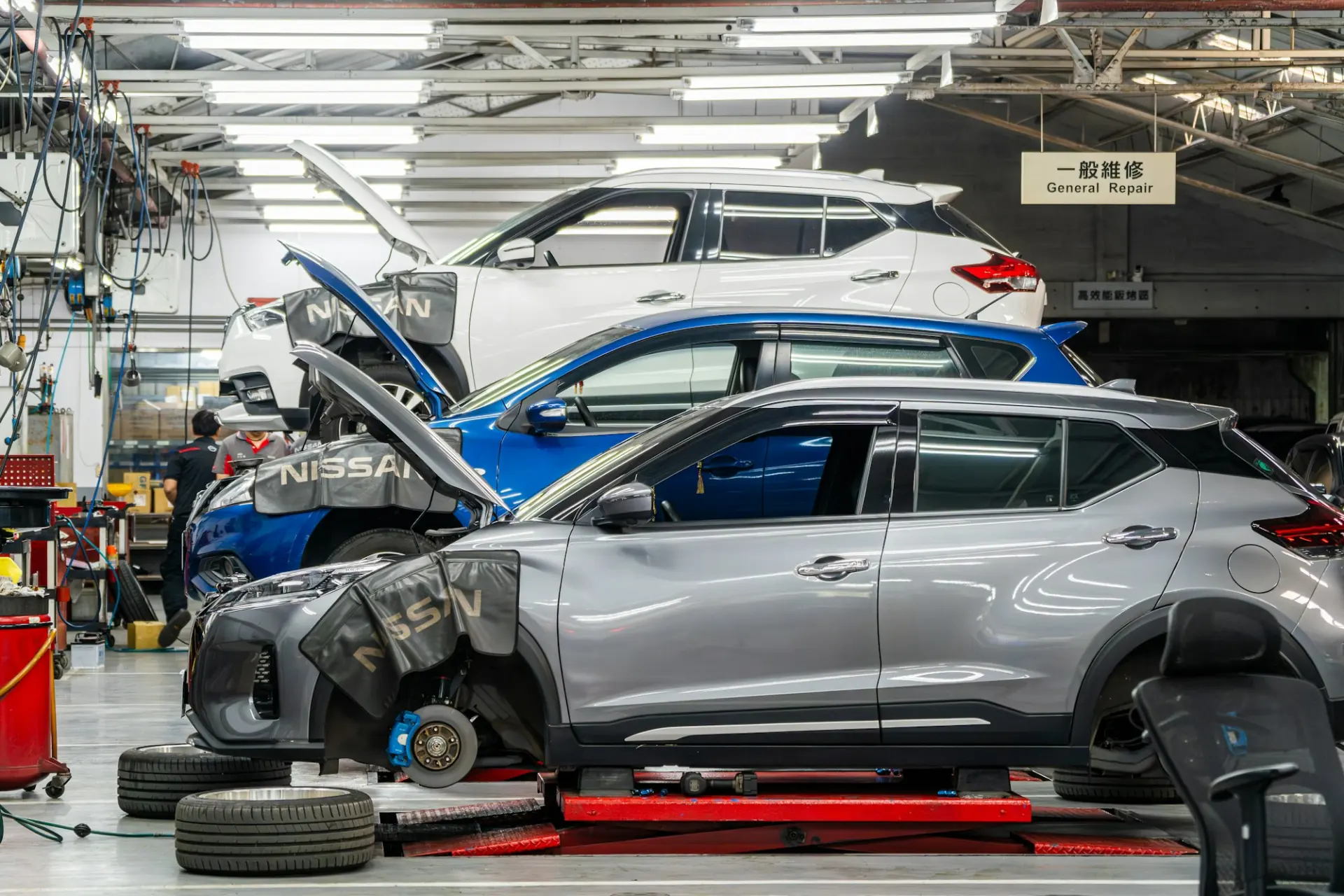
How to start a bodyshop in the UK
Setting up the company, planning and the environmental permit for spraying, HSE rules on isocyanates and extraction, insurance, equipment, hiring technicians, finance and your first work.
Read the guidePricing and quoting
What to charge for labour, parts and paint and materials, how to write a quote that holds, what each job really made, and how to get paid, VAT and excess included.
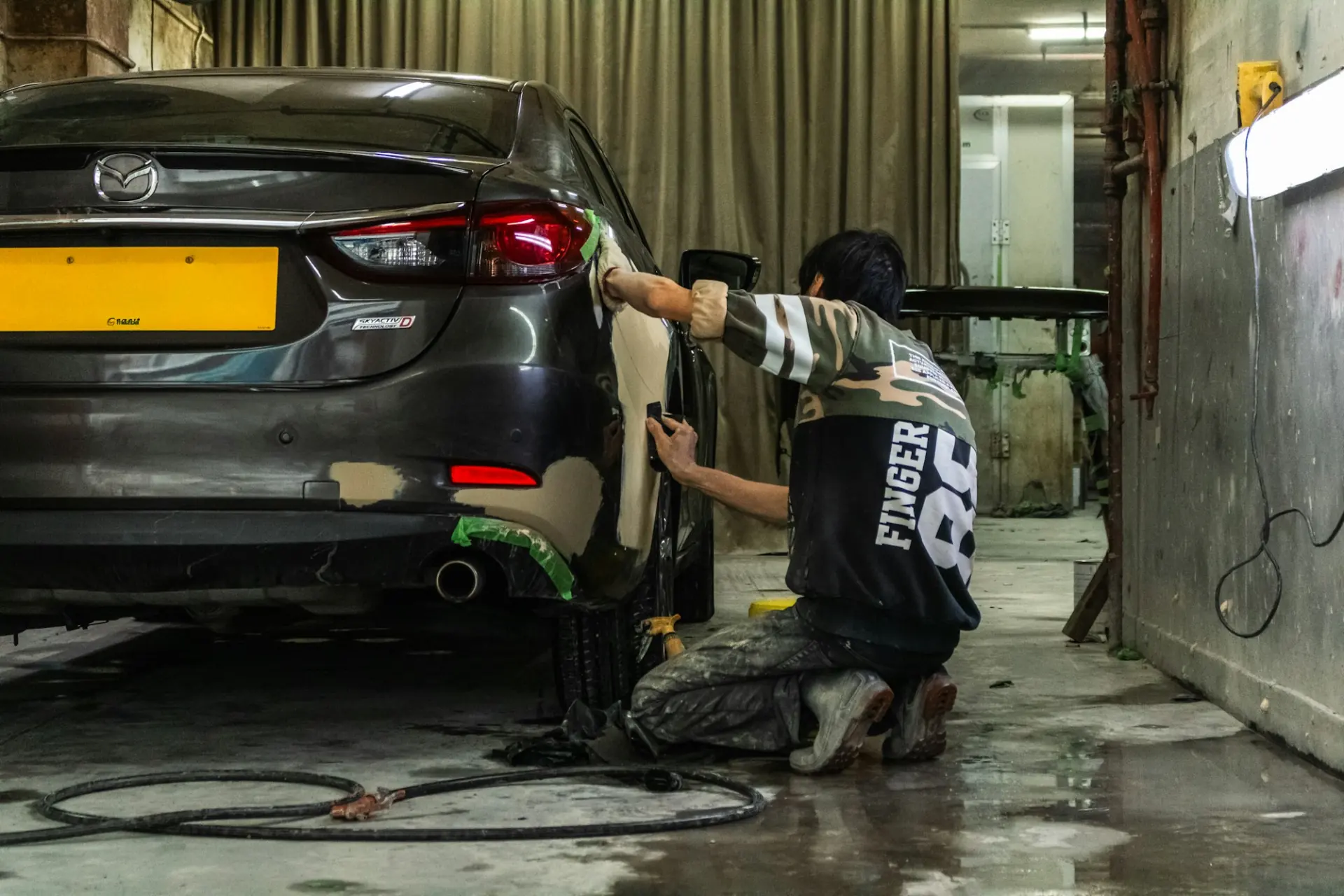
How to set your bodyshop labour rate
What a technician really costs per hour sold, with employer's National Insurance and pensions, how to spread your overheads, and the gap between retail rates and what insurers pay.
Read the guide
How to write a bodyshop quote
What a repair quote should show, the difference between a quote and an estimate under UK consumer law, authorising extra work, and quotes accepted by email or away from the shop.
Read the guide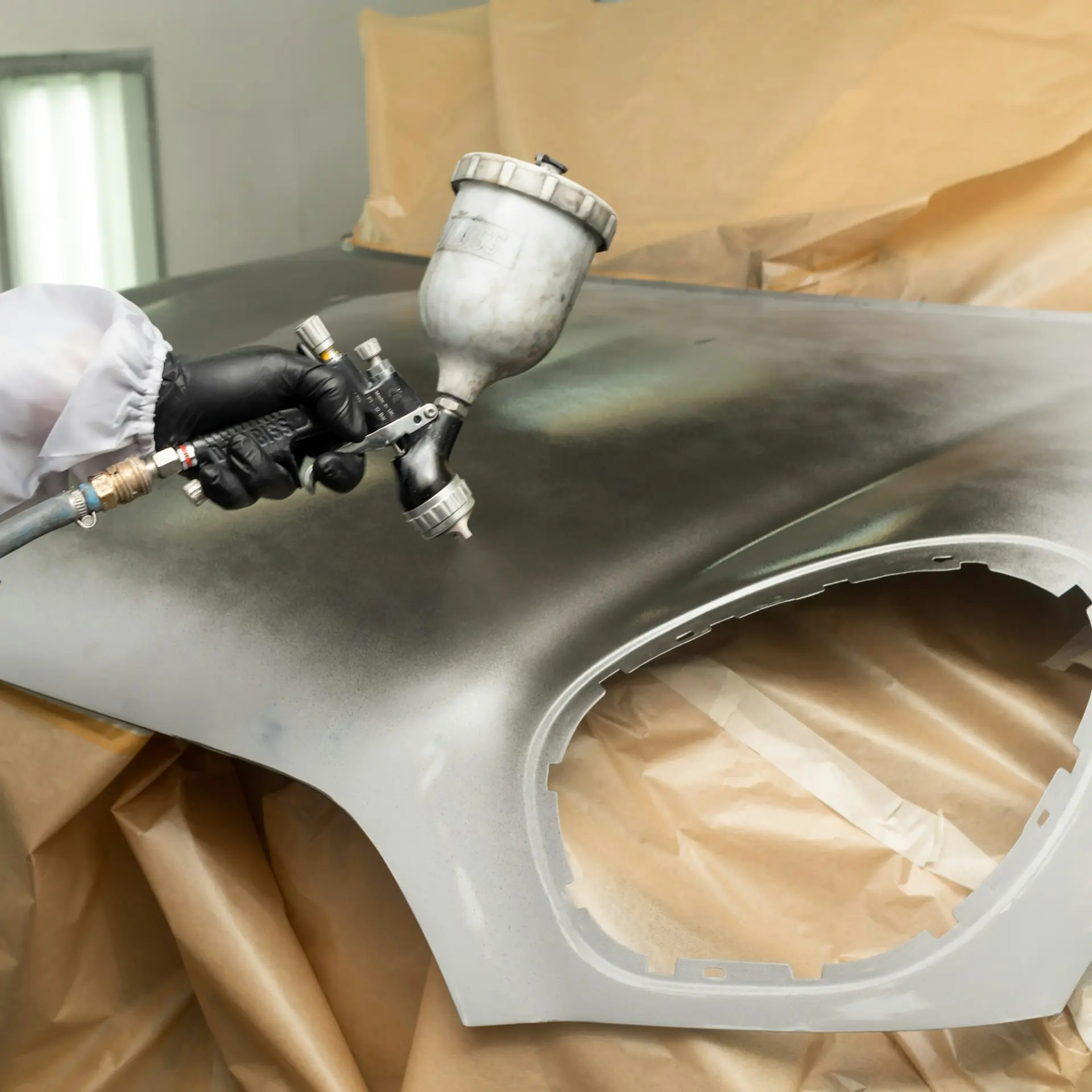
How to price parts and paint and materials
Markup versus margin, genuine, matching quality and green parts, the block exemption and your right to parts and information, how paint and materials get paid, and VAT.
Read the guide
Job costing for bodyshops: what each repair really made
How to cost a finished job against its invoice, a worked example, and the numbers to watch: efficiency, key-to-key time, parts delays and gross profit by category.
Read the guide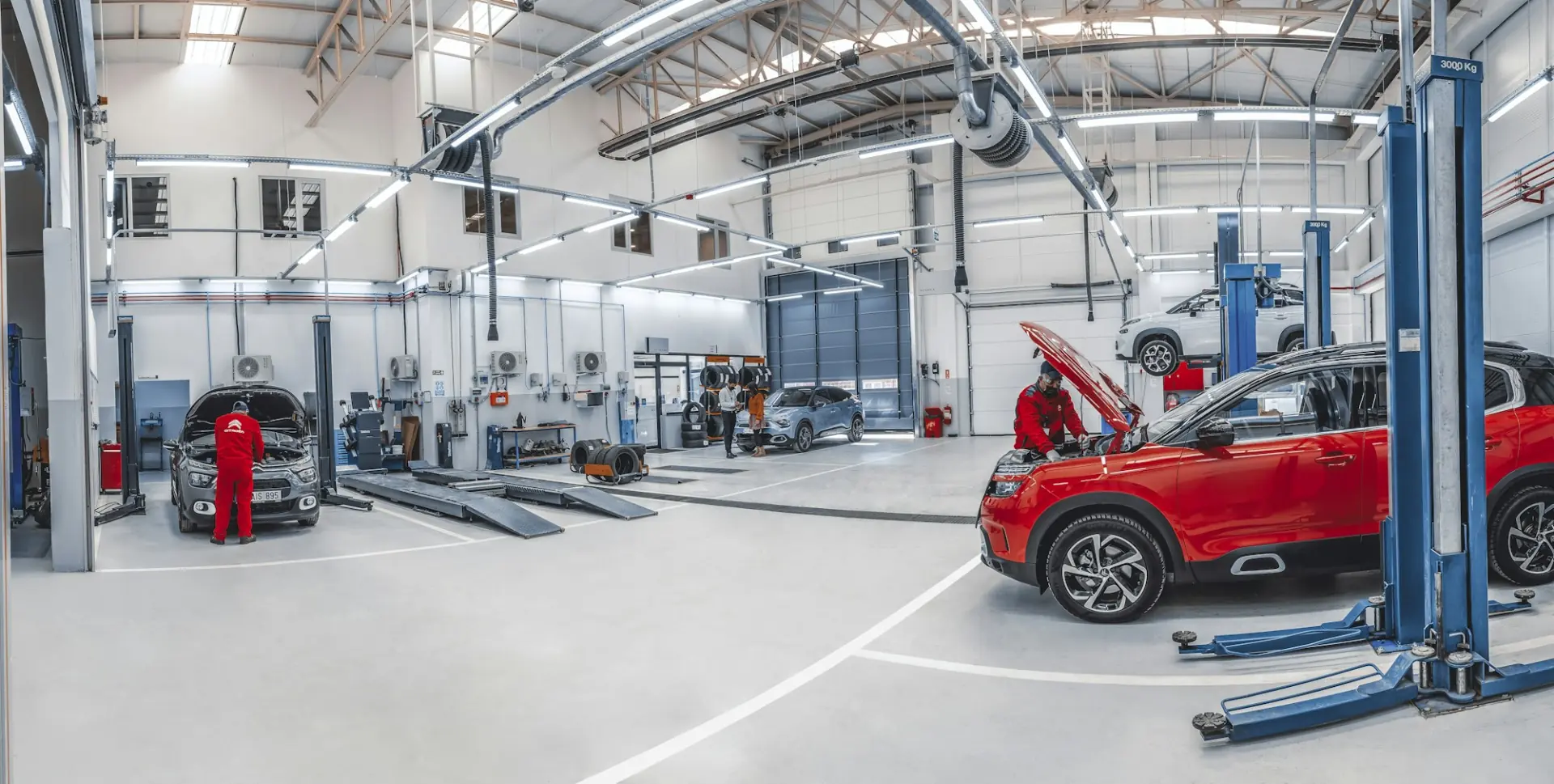
Bodyshop profit margins: what's normal and how to raise yours
What UK repairers' accounts and surveys show for gross and net margins, what is squeezing them, and where to look first when yours slip.
Read the guide
Getting paid on a repair: the excess, VAT and your lien
Collecting the excess, VAT when the insurer pays net, holding a car until you're paid, storage charges, uncollected cars, and chasing what's owed through the small claims court.
Read the guideInsurance work and standards
How approved repairer networks and accident management companies work, BS 10125, Audatex and CAPS, manufacturers' repair methods and ADAS, and the write-off categories.
How to become an insurance approved repairer
How insurers' approved repairer networks work, what work providers ask for, how to apply, the customer's choice of repairer, and whether the work pays.
Read the guide
BS 10125 explained: the Kitemark for bodyshops
What BS 10125:2022 asks of a bodyshop, the capability codes, how the BSI Kitemark audit works, why work providers look for it, and IMI accreditation for your staff.
Read the guide
Audatex and CAPS: estimating and insurer messaging in the UK
How Audatex estimating and Thatcham's methods and times work, how CAPS carries messages between bodyshops and insurers, and what changes in 2027.
Read the guide
Repair methods, ADAS calibration and access to repair information
Why manufacturers' repair methods matter, ADAS calibration and the insurers' requirements, Thatcham's work, and your right to repair information under the block exemption.
Read the guide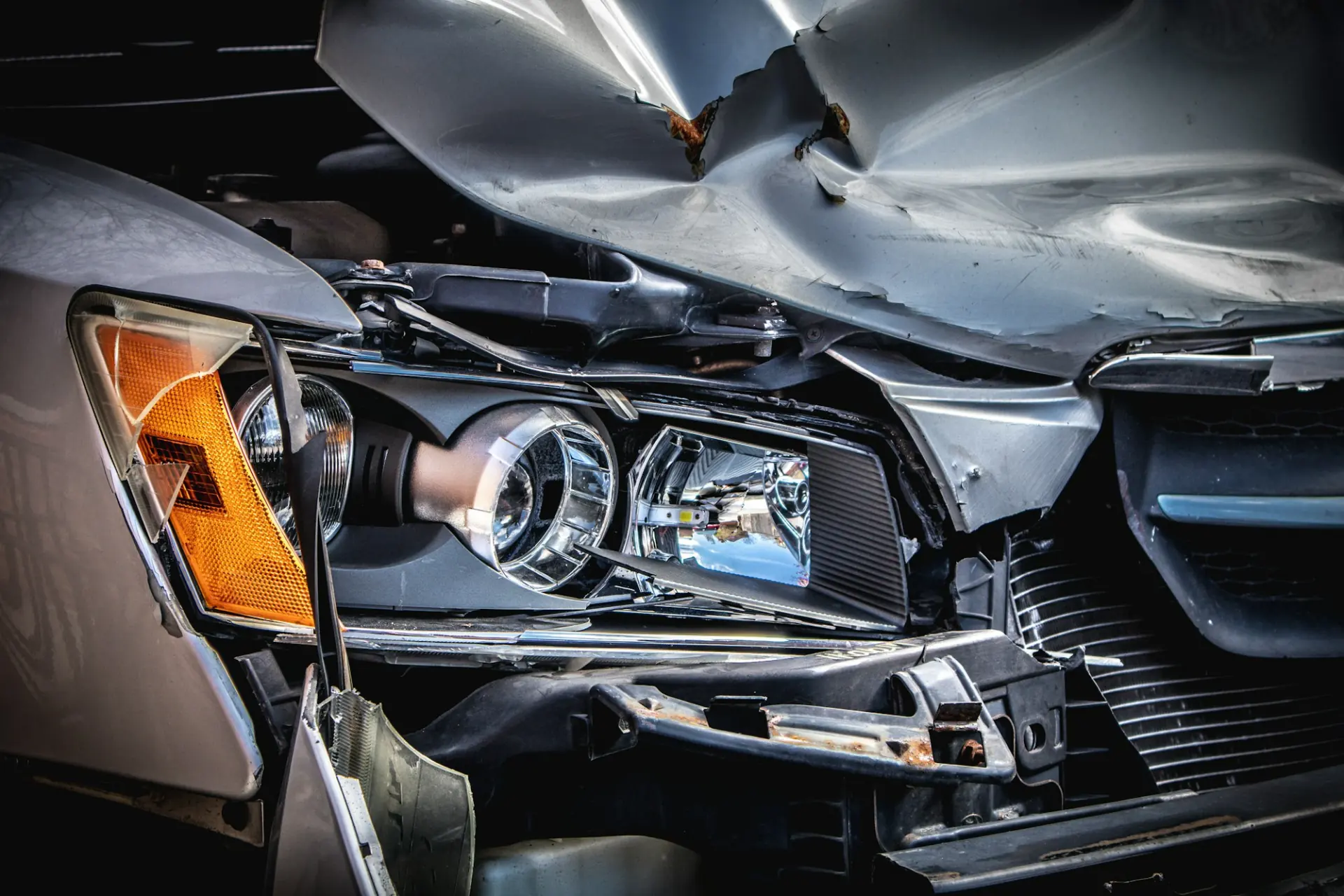
Cat S and Cat N explained: write-off categories for bodyshops
What the four salvage categories mean, when a car is written off, what DVLA needs when a Category S or N car is repaired, and how total losses affect a bodyshop.
Read the guide
Accident management companies and credit hire: non-fault work
How accident management and credit hire companies send non-fault repairs to bodyshops, how they pay, and what to check before you take their work.
Read the guideRunning your bodyshop on PanelDesk
What PanelDesk does for an independent UK bodyshop, and what moving your history across really involves.
PanelDesk
Run the whole bodyshop in one place
PanelDesk takes every repair from quote to job card to final costing and invoice, with VAT and the excess handled, and keeps your team's hours and your production board alongside it.
- Quotes and job cards
- Final costing with insurer and excess splits
- VAT invoices and payments
30 days free. No card, nothing to install.