What a supplement is
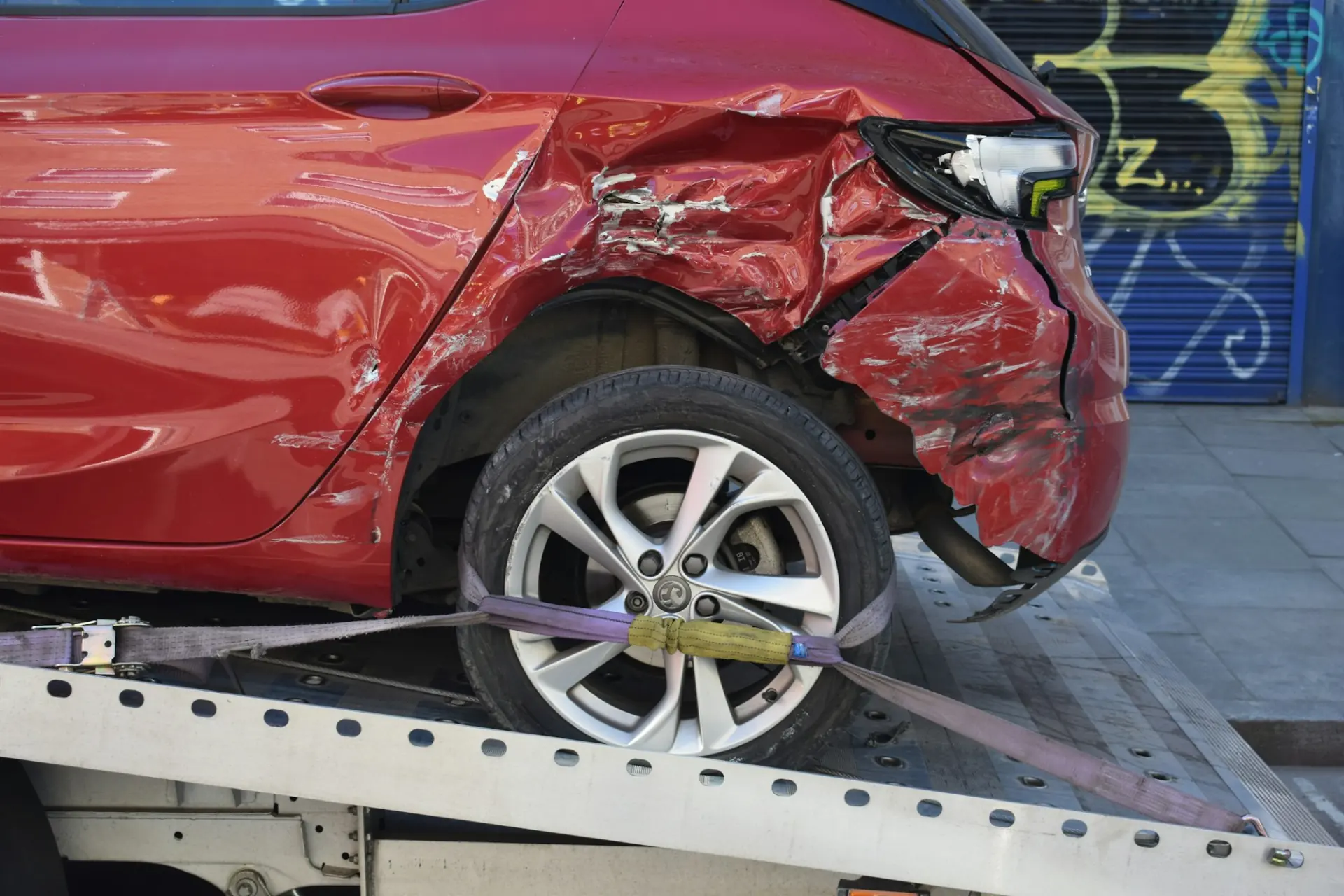
The Collision Industry Conference (CIC) defines a supplement as what's created when an estimate has to be changed or added to after it's been finalized. Most supplements are for hidden damage: damage that can't be seen at the first inspection and generally shows up only once the car is taken apart.
Progressive counts any change to the estimate as a supplement, whether or not the price changes, and calls the estimate plus every supplement the final estimate. That's the bill the insurer pays against.

How common supplements are
Estimates with a supplement
42%
At least one, in Mitchell's data for early 2018, the newest published.
Average supplement
$936
Same data: 67.67 supplements for every 100 estimates.
Calibrations on the first estimate
47%
Across the industry in CCC's 2026 data; the rest came as supplements.
Every supplement waits for the insurer. In a sample of 100 jobs one large shop group shared in 2023, the insurer took 4.2 days on average to respond to the first supplement. Direct repair jobs got an answer in under a day, while one large insurer averaged more than six days and another more than eight. Nearly every job had a supplement, and most had two.
The days add up. In CCC's 2025 figures, repairs with no calibration took about 13 days from keys in to keys out, with one about 15.5 days, and with several more than 17.
How the process runs
- 1
Tear down and find the damage
Take the damaged area apart, scan the car, and record what you find with photos as you go. - 2
Write the supplement
Add the new lines in the insurer's estimating system, with the procedures and photos that support them. - 3
Submit it
Send it the way the insurer requires: locked in CCC ONE, committed in Mitchell, or through the insurer's own portal. - 4
The insurer reviews it
Depending on the insurer and the amount, it's approved automatically, checked by a desk reviewer, or reinspected in person. - 5
Approval, repair and the final bill
Once approved, the work goes ahead and the supplement joins the estimate in the final bill.
In CCC ONE
A supplement is created from a locked estimate, and the original lines can't be changed. Supplement lines are added after the estimate's lines and start with “S”. Locking the supplement sends it to the insurer where the two are linked, after CCC checks the required fields.
In Mitchell Cloud Estimating
Choose Supplement on the estimate card, pick an estimate profile if the insurer has set one up, add the lines, then review and commit the supplement. The card shows “Supplement 1” and the new total, with a report of what changed. Estimates written in UltraMate with ATG lines have to be supplemented in UltraMate.
GuideCollision estimating systems: CCC, Mitchell and AudatexWhich insurers use which system, and how to read what a labor time includes.Each insurer's process
| Insurer | What it publishes |
|---|---|
| State Farm | An online Request Supplement tool: enter the claim number, vehicle year and make, the added amount and the loss type, then upload the itemized supplement, photos and invoices (PDF or JPG, up to 20 files). Registered shops get a dashboard of the last 30 days of requests and payments |
| Progressive | Log a Supplement Request in WebTracker as soon as possible, and no later than 48 hours after the car arrives, with the reason |
| USAA | Reviews supplemental repairs before they're done, and extends the rental once it approves them. Shops outside its network contact USAA about the added work |
| Liberty Mutual | The shop contacts the claims representative, and approved extra payments go straight to the shop |
| GEICO | Standard scan and calibration pricing for its Auto Repair Xpress shops; work that differs from it may need extra documentation |
From the insurers' own pages and job aids, and trade press for GEICO. Direct repair agreements may add their own rules.
What to send with a supplement
A supplement gets paid faster when it answers the reviewer's questions before they ask:
- Photos, date- and time-stamped, at the first inspection and again at teardown. CIC's best practices list the VIN, the mileage, the plates, all four corners, and the damage from two angles.
- The automaker's procedures and position statements for the operations you've added, especially scans, calibrations and structural work.
- Scan and calibration reports, or the specialist's invoice when you sublet a calibration.
- Parts invoices for added or changed parts.
- The labor note or P-page that shows an operation isn't included in the database time.
Not-included operations
Many supplements are for operations the first estimate missed because the database time doesn't include them. Each provider's procedure pages, the P-pages, say what its times cover. In CCC, whose data comes from MOTOR, a labor note marked “INCL” is included, a note with a time isn't included and gives the time to add, and a blank note isn't included and has no time set, so you enter your own. In Mitchell, check the labor notes and the P-pages; the notes don't print on the estimate.
Common ones include in-process scans, test welds and A/C leak checks. When a time is simply wrong, report it to the Database Enhancement Gateway, which takes inquiries on all three databases for free.
Fewer supplements: blueprint the repair
Blueprinting means finding all the damage before the full estimate is written, so the insurer sees one complete repair plan instead of a string of supplements. CIC encourages teardown before an estimate is finalized, and Progressive's process builds it in: the price is agreed after inspection and a partial teardown where needed.
- 1
Check the car in
Photograph the VIN, mileage, plates, all four corners and the damage, and note existing damage on a check-in sheet. - 2
Scan it
Run the pre-repair scan the automaker's position statement calls for, and save the report. - 3
Tear down the damaged area
Take off everything the repair will touch, and look behind it for the damage the first look missed. - 4
Look up the procedures
Find the automaker's procedure for each operation, including any calibrations, and note the parts that can't be reused. - 5
Check the plan against a list
Run the estimate against SCRS's free Guide to Complete Repair Planning: 1,033 commonly missed operations in 37 sections. Not every item applies to every job. - 6
Send one complete supplement
Then order every part at once, so the car isn't waiting on a second round of approvals and deliveries.
You'll still find surprises mid-repair, but fewer of them. Our guide to OEM procedures, scans and ADAS calibration covers the scans and calibrations that most often arrive late, and our estimate guide the authorization rules for customer-pay work.
How fast insurers must respond
Few states set a deadline for approving a supplement, but some set deadlines for the insurer's response or reinspection:
| Where | The rule |
|---|---|
| Washington | From October 18, 2026, insurers must respond to supplements and final invoices within five business days, give every reason when they pay less than the shop's estimate, and explain on request how labor and material costs were set |
| California | An insurer that chooses to inspect or reinspect after a supplement request must do so within six business days. Where repair costs exceed its estimate, it must pay the difference, name a shop that will do the work for its estimate, or adjust the shop's estimate with each change itemized |
| Massachusetts | When unexpected damage turns up after repairs start, the shop or owner can ask for a supplementary appraisal, and an appraiser must inspect in person within three business days, with set exceptions. A faster route without an inspection is allowed if the insurer, shop and owner all agree |
| New York | The insurer must reinspect hidden damage within two business days of being told about it, or four when the work is sublet, and give its written estimate then |
| NAIC model | Acknowledge claims and reply to claim communications within 15 days. Many states have adopted a version of it |
Check your own state's claim handling rules; the details differ.
When a supplement is refused
- Ask for the reasons in writing. Washington now requires insurers to give every reason when they pay less than the shop's estimate.
- Answer each reason with the evidence: the procedure, the P-page, the photos or the scan report.
- If the database time itself is wrong, file an inquiry with the DEG and send the insurer its answer.
- Keep the customer informed, and agree in writing who pays for any work the insurer won't cover.
- If an insurer's handling breaks your state's claim rules, the state insurance department takes complaints.