
Guides for running an auto body shop.
Straight answers on starting a shop, pricing and estimating your work, insurance work and certification, written for owners and checked against the sources.
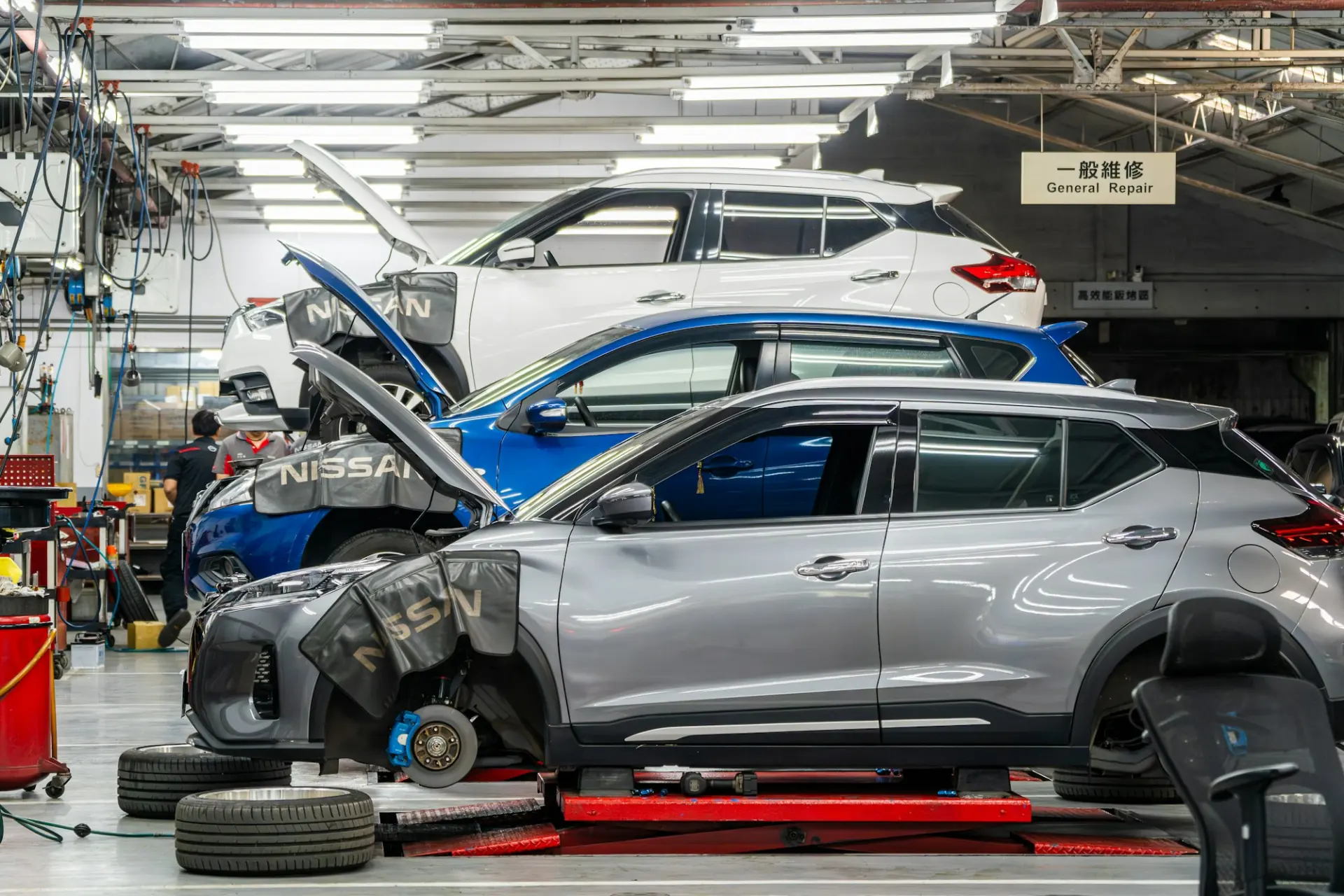
How to start an auto body shop
Registration and licensing, the EPA and OSHA rules for paint and safety, premises and insurance, the equipment and what it costs, hiring, financing and finding your first work.
Read the guidePricing and estimating
What to charge for labor, parts and paint and materials, how to write an estimate that holds, what each repair really made, and how to get paid.
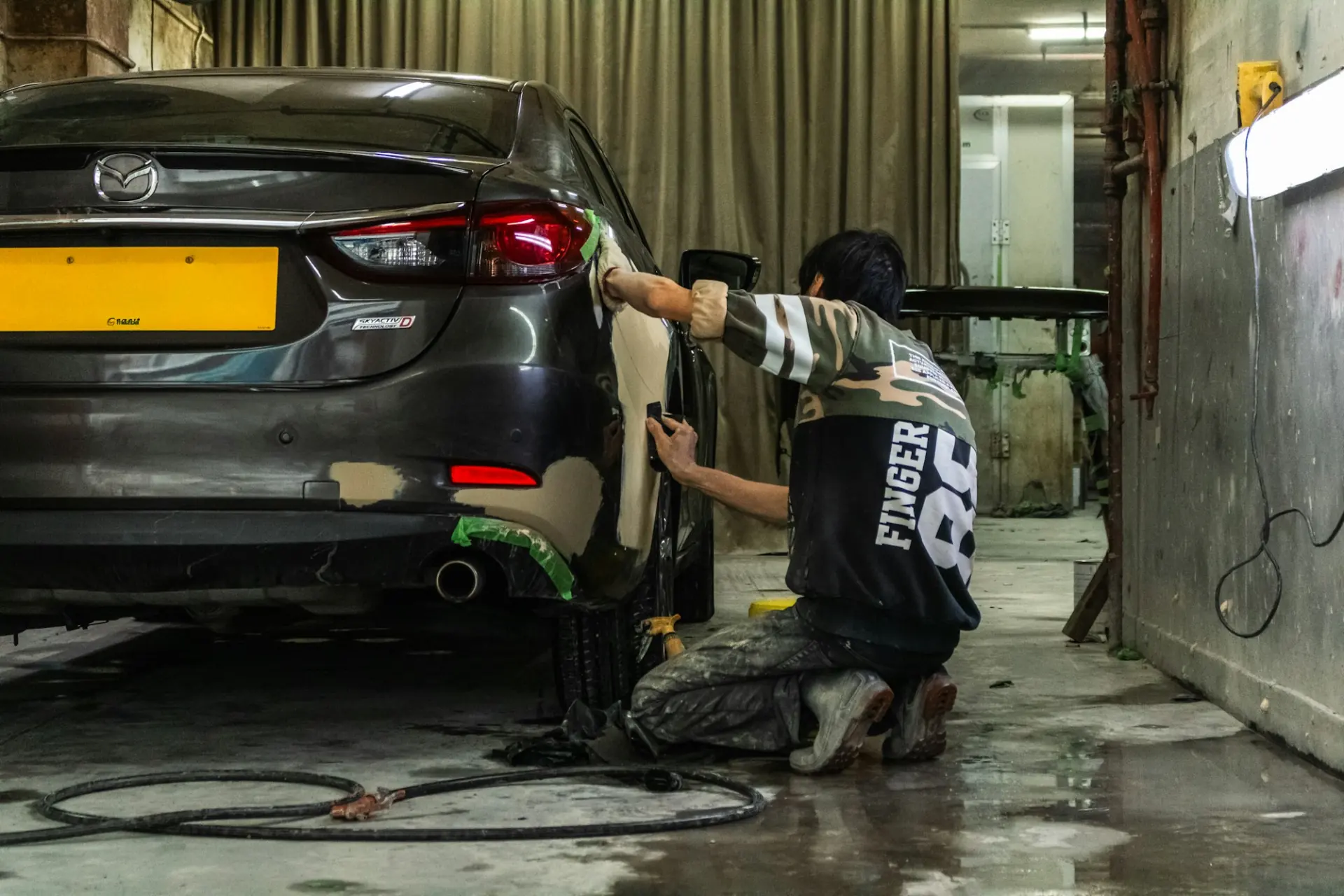
How to set your auto body labor rate
What a technician really costs per hour sold, how to spread your overhead, the gap between door rates and insurers' prevailing rates, and when to raise yours.
Read the guide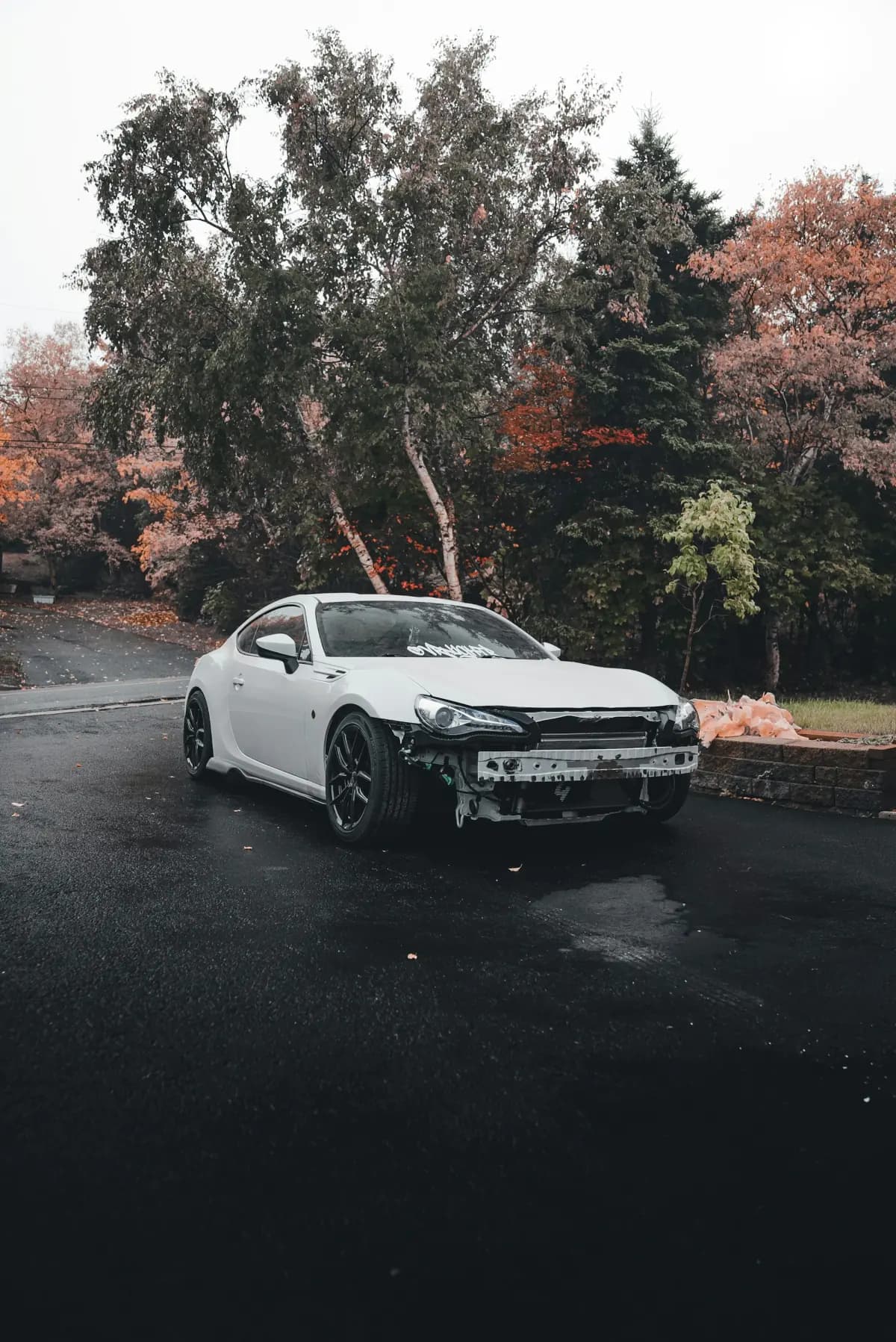
How to write an auto body repair estimate
What a written estimate must show, the state laws on authorization and going over the estimate, teardown fees, repair planning, and how to keep supplements to a minimum.
Read the guide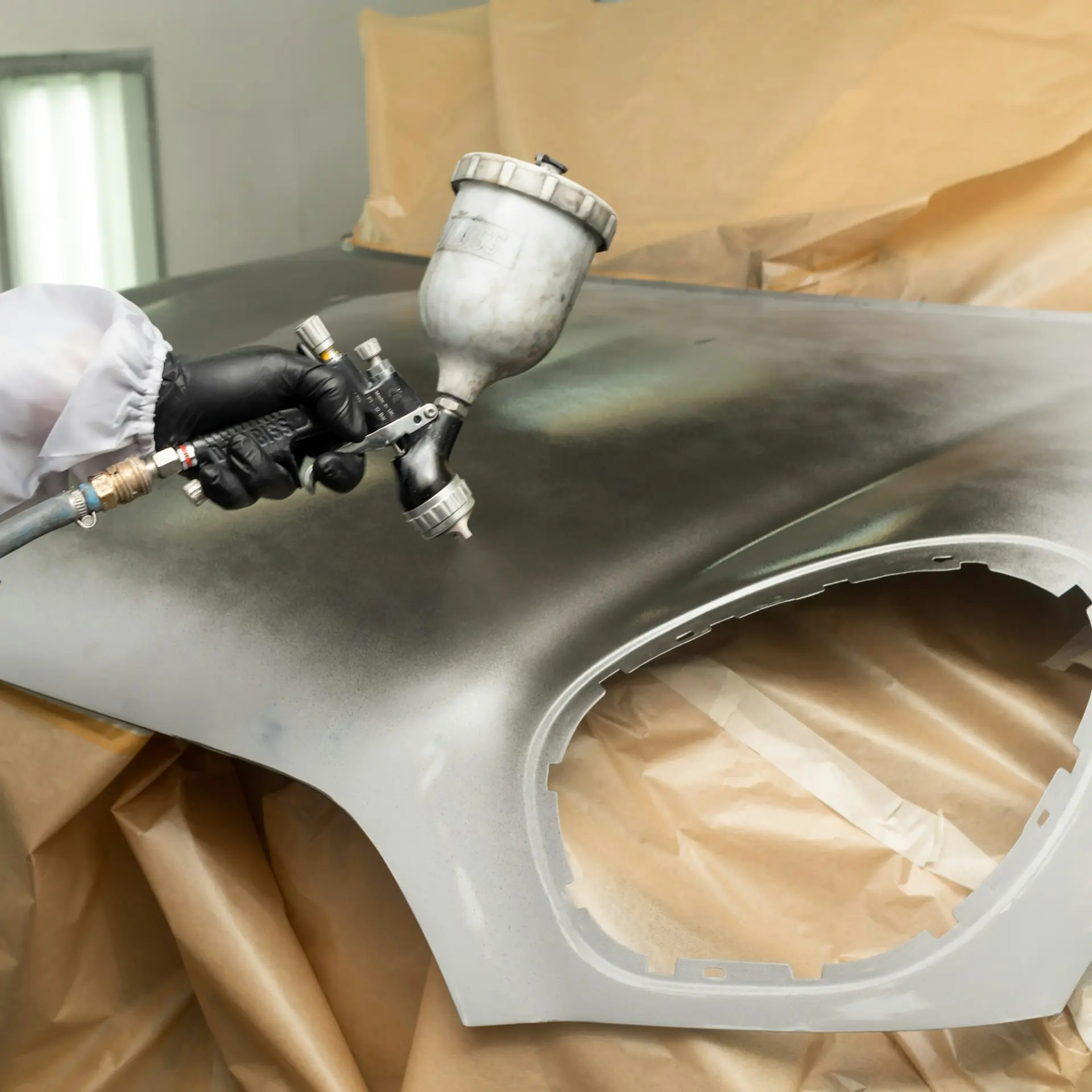
How to price parts and paint and materials
Markup versus margin, OEM, aftermarket and recycled parts and the disclosure rules, how paint and materials get paid, and sales tax on parts and labor.
Read the guide
Job costing for body shops: what each repair really made
How to cost a finished repair order against its invoice, a worked example, the numbers to watch (effective labor rate, productivity, cycle time) and the records to keep.
Read the guide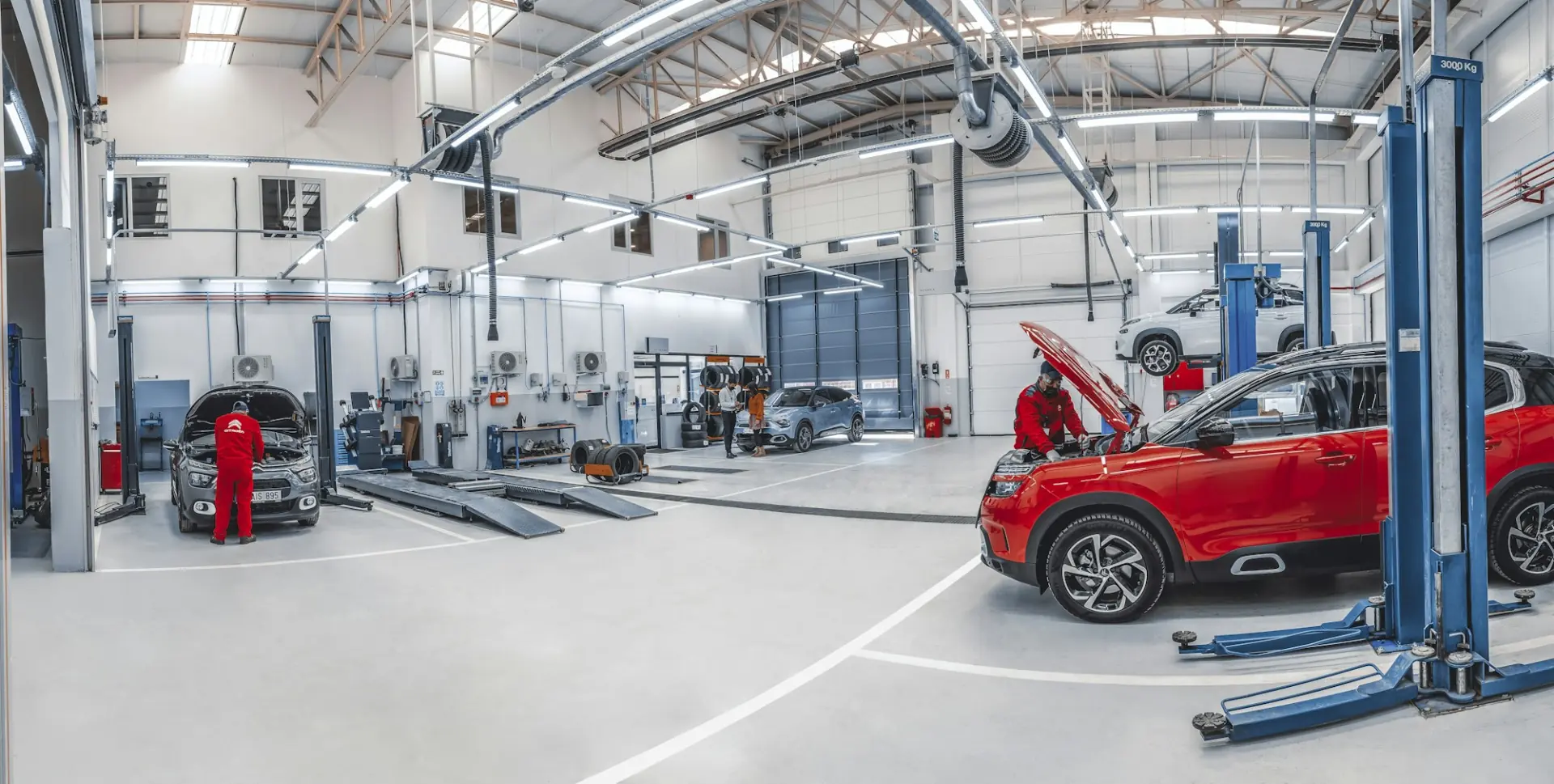
Auto body shop profit margins: what's normal and how to raise yours
Gross profit by labor, parts, paint and sublet, what the published benchmarks say, what moves your margins, and where to look first when they slip.
Read the guide
Getting paid on a repair: deductibles, storage and liens
Collecting the deductible, two-party checks and direction to pay, storage charges, when a shop can hold a car under a repair lien, and chasing what's owed.
Read the guideInsurance work and certification
How direct repair programs work and what their agreements say, supplements, I-CAR, ASE and OEM certification, estimating systems, and OEM repair procedures.
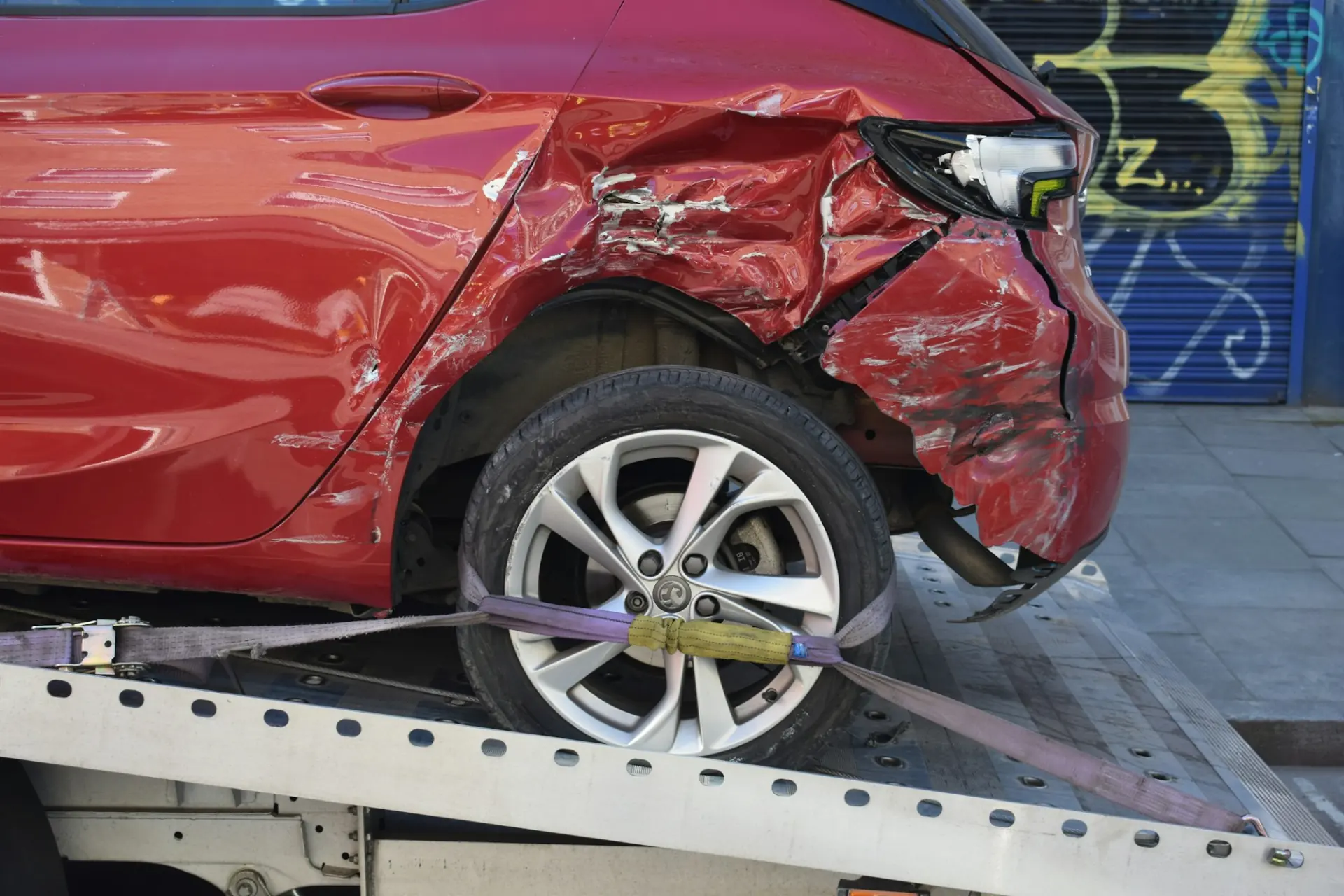
How to get on insurance direct repair programs (DRPs)
What a DRP is, what insurers look for, how shops apply, the customer's right to choose a shop, and whether DRP work is worth it for your shop.
Read the guide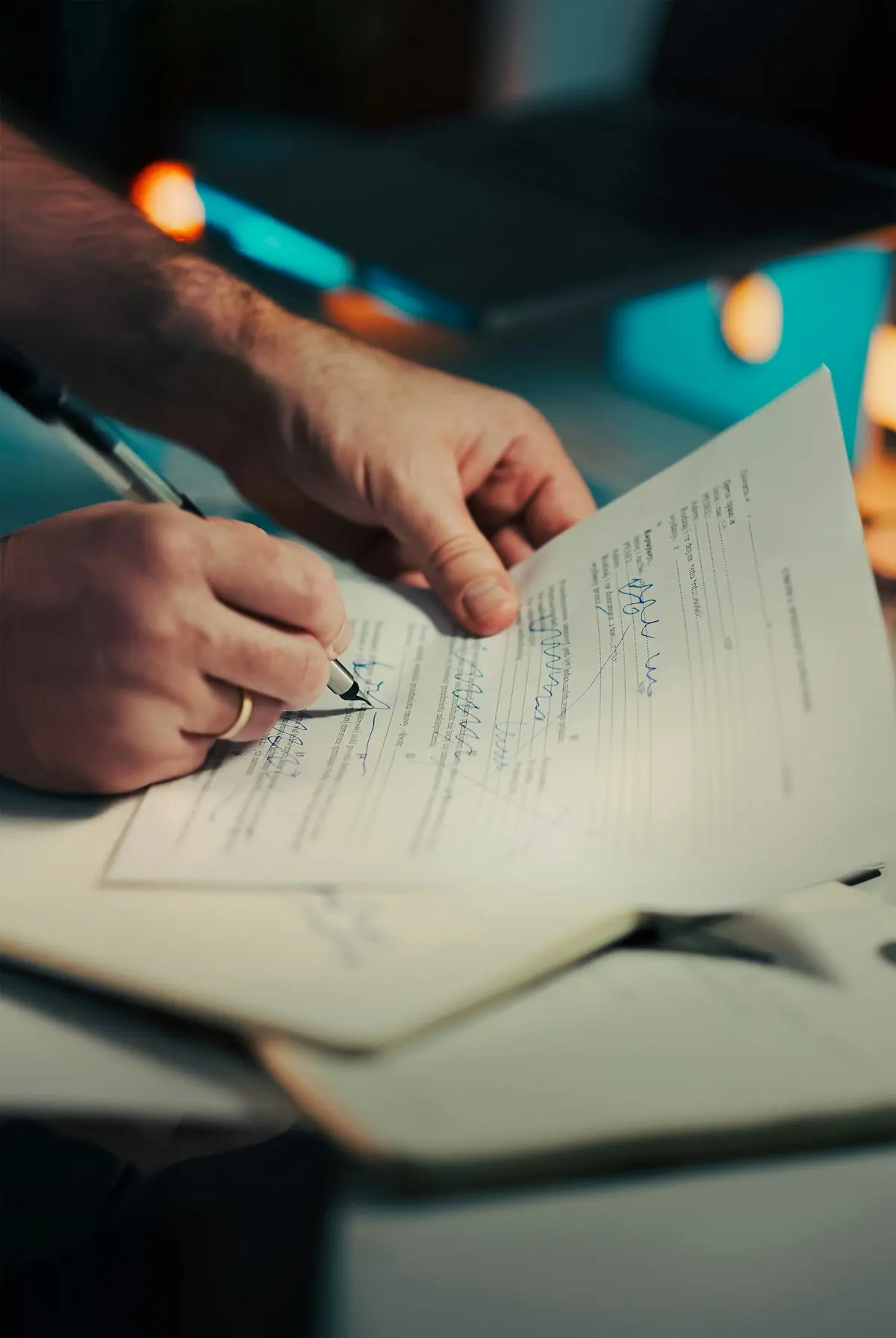
DRP agreements: what to check before you sign
The terms DRP agreements usually carry, from labor rate concessions and parts requirements to scorecards, audits and indemnity, and the clauses to read closely.
Read the guide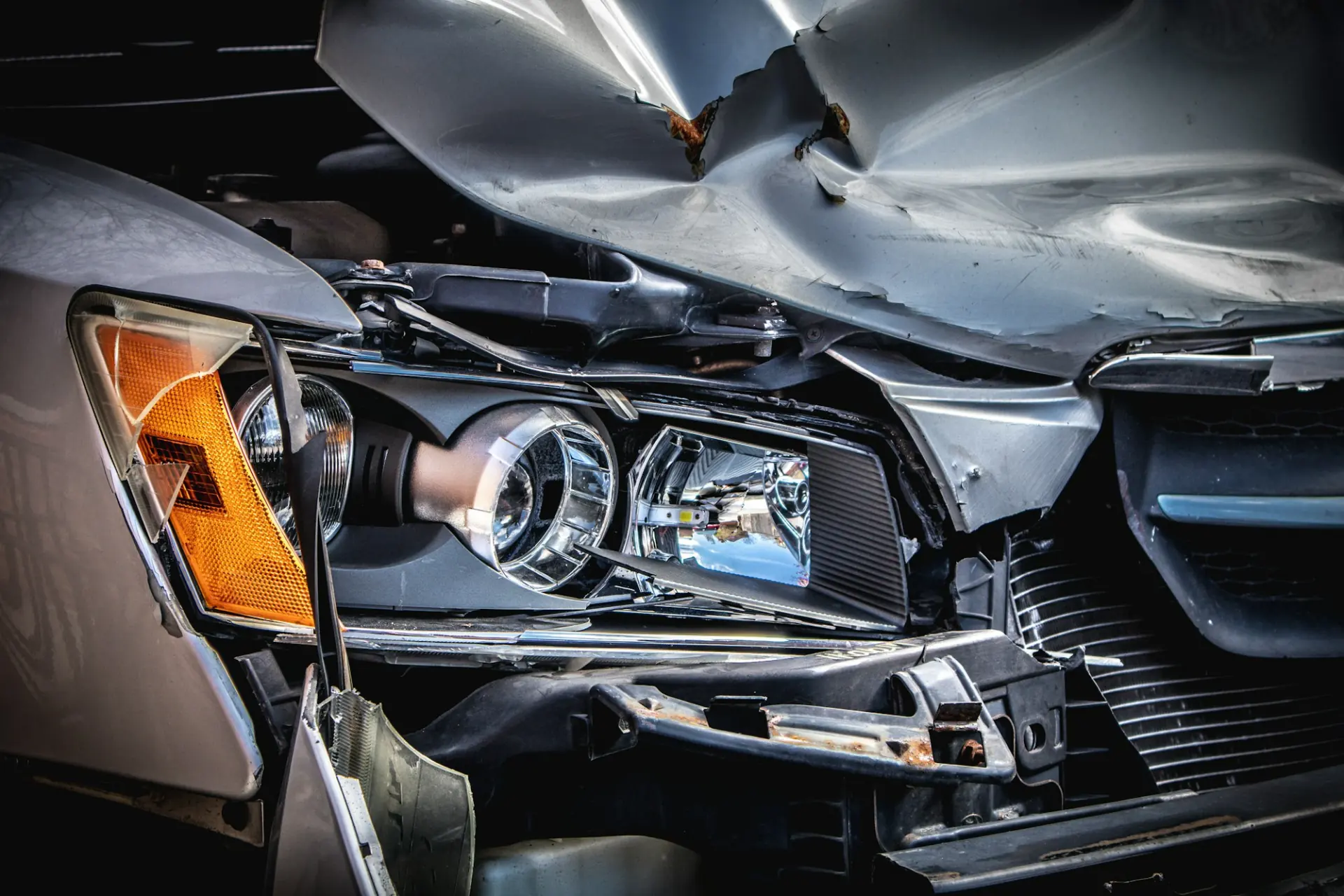
Supplements: getting paid for hidden damage
What a supplement is, how the process runs, the documentation insurers expect, not-included operations, and how better repair planning cuts supplements.
Read the guide
Body shop certifications: I-CAR Gold Class, ASE and OEM
What I-CAR Gold Class, ASE certification and OEM collision programs require, what they cost, and what each one does for a shop's work and reputation.
Read the guide
Collision estimating systems: CCC, Mitchell and Audatex
What the three estimating systems do, which insurers use which, their database guides and not-included operations, and how estimates reach your shop management system.
Read the guide
OEM repair procedures, scans and ADAS calibration
Why OEM repair procedures matter, pre- and post-repair scans, ADAS calibration and what it costs, and where right-to-repair laws stand for collision shops.
Read the guideChanging your shop's software
What moving your history across really involves, and where PanelDesk fits next to your estimating system.
Free tools
Put a guide into practice
Free to use, no sign-up, nothing to install.
PanelDesk
Run the whole shop in one place
PanelDesk takes every repair from estimate to repair order to final costing and invoice, and keeps your team's hours and your production board alongside it.
- Estimates and repair orders
- Final costing with insurer splits
- Invoices and payments
30 days free. No card, nothing to install.